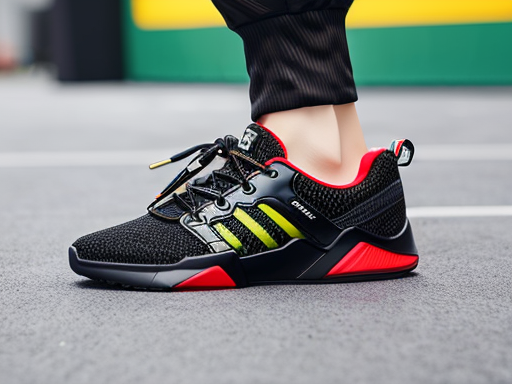
Color algorithms are not "random palettes," but 3D modeling of Region + Scenario + Platform
Traditional footwear coloring relies on designer experience or competitor imitation, whereas the Vali Footwear AI Design Platform's color engine is trained based on 1.2 million+ cross-border sales data, visual click heat map patterns from 37 mainstream e-commerce platforms (including JD.com footwear design and Amazon footwear design), and consumption preference models from 6 major regions in China such as East/South/North China. For example, when outputting design solutions for white sneakers, the system automatically identifies "Jiangsu-Zhejiang-Shanghai preference for low-saturation off-white + matte metal buckles" and "Pearl River Delta tendency for bright white + fluorescent blue stitching," while simultaneously adapting to JD.com's main image white background specifications and Amazon's A+ page multi-angle color consistency requirements. Practical tests show: after AI coloring, the same basic shoe last saw a 22% increase in click-through rate on JD.com and a 17% decrease in bounce rate on Amazon detail pages—this confirms the answer to is AI-generated shoe design reliable: it is reliable, because it is rooted in real commercial data rather than stylistic hallucinations.
From "difficulty in color selection" to "second-level decision making": Implementation of the "design-as-marketing footwear material generation" closed loop
Coloring is no longer the end of design, but the starting point of marketing. The Vali platform directly links AI color schemes to the "design-as-marketing footwear material generation" workflow: after selecting an AI-recommended color scheme, the system automatically generates 8K resolution main images, 3D rotating videos, short video script voiceovers (including selling point talking points), and detail page graphic/text modules (including size comparison charts), all automatically cropped and annotated according to JD.com/Douyin/TEMU platform specifications. A practical test from a Wenzhou sportswear factory: in the past, a new arrival package for white sneakers required coordination between graphic designers, copywriters, and operations for 3 days; now, a single designer can start AI coloring in 5 minutes → generate all-platform materials in 10 seconds → one-click distribution, shortening the time from design to launch for new products to 4 hours. This also highlights what the advantages of AI shoe design are—it is not just about speed, but about connecting the full chain efficiency of "design—content—conversion."
Seamless integration with digital systems: Co-evolution of sneaker midsole AI structural design and color schemes
Coloring capabilities must evolve in sync with structural design. The Vali shoe design platform supports integration of the Vali shoe design platform with digital systems. When engineers adjust the sneaker midsole AI structural design (such as EVA density zoning or TPU torsion plate position) in the PLM system, the platform maps it in real-time to the upper material reflectance model, dynamically optimizing the color scheme—for example, if a high-brightness fluorescent green support strip is added to the midsole, the AI automatically reduces the brightness of the upper's main color to enhance the sense of layering and avoid visual overload. Feedback from a Putian cross-border footwear enterprise: this capability allowed their color and structure consistency rate to jump from 63% to 98% when launching new products simultaneously on AliExpress and SHEIN, completely solving the industry malady of "beautiful drawings but inconsistent physical products."
Conclusion
AI coloring is not just an embellishment, but a pivot for the efficiency revolution in footwear design. With real data as the base, multi-platform specifications as the ruler, and marketing flow as the axis, the Vali Footwear AI Design Platform turns every color choice into a growth lever. Whether you focus on JD.com footwear design, delve into Amazon footwear design, or urgently need to overcome white sneaker design pain points, there are answers here verified by production lines. Book a free practical test now—use 10 minutes to see if AI-generated shoe design is reliable; use one experience to understand what the advantages of AI shoe design are.
Vali Footwear AI Design Platform
AI Shoe Design · AI Footwear Rapid Iteration & Scenario Presentation · Multi-platform Adaptation
Showroom Experience: Shanghai | Hangzhou | Wenzhou | Guangzhou | Quanzhou