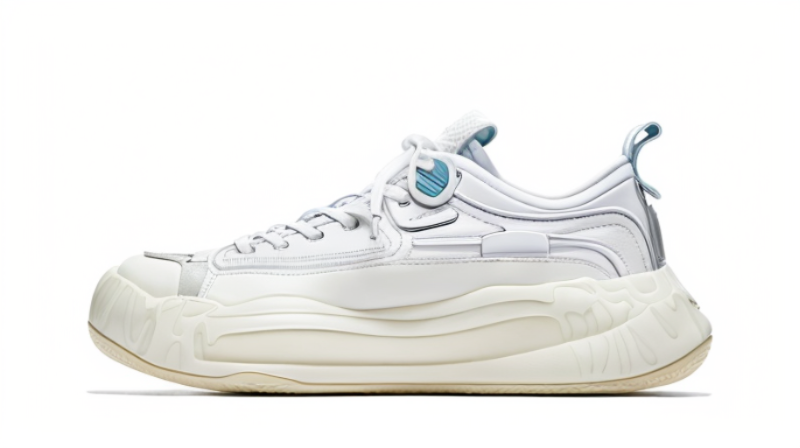
The Labor Cost Dilemma: Does a 10-person design team cost over 1.8 million per year?
Against the backdrop of intensifying competition in the footwear industry in 2026, medium-sized footwear enterprises in Wenzhou, Jinjiang, Putian, and other regions generally maintain full-time design teams of 8–12 people, handling full-link tasks such as Oxford shoe design, outdoor style shoe design, and iterations of sports casual styles. Taking a typical Jinjiang shoe design team as an example: a single style takes an average of 7.2 days from sketch → hand drawing → sampling → retouching → multi-platform adaptation, with an average annual output of only 160–190 styles; comprehensive costs including labor + outsourcing + rendering software subscriptions + hardware depreciation exceed 1.85 million yuan. More severely, the designer turnover rate is as high as 35%, and the departure of core personnel often leads to a gap in Oxford shoe design styles and a loss of focus in outdoor style shoe design language. After the launch of the VALI Footwear AI Design Platform, enterprises can delegate basic style designs to the system—supporting AI generation of shoe lasts, automatic matching with a database of 200+ shoe types, and quickly combining components through modular AI shoe design logic, allowing design to return to strategy and creativity itself.
Data-Driven Hits: From "Based on Experience" to "Big-Data-Based Hit Shoe Design"
Traditional design relies on the personal aesthetics of the director and regional sales feedback, which has strong lag; the VALI Footwear AI Design Platform deeply integrates sales data, click heatmaps, user comment semantics, and regional preference maps of the TOP 5000 footwear styles from 10+ mainstream e-commerce platforms (Taobao, Pinduoduo, Temu, SHEIN, TikTok Shop, etc.) over the past 3 years. For example, for the Southeast Asian market, the system automatically strengthens suggestions for breathable mesh + low-top structures; for Gen Z in Europe and America, it prioritizes fusion schemes of workwear functionality × Western cowboy boots—this is the core capability of big-data-based hit shoe design. Actual tests by a Putian cross-border footwear enterprise show that after using the platform, the first-month sales rate of new products increased to 78% (industry average 52%), and its promoted "Desert Workwear Oxford Shoe" series exceeded 120,000 pairs in monthly orders on the Temu platform, verifying AI's precision in capturing regional styles and functional demands.
Real Efficiency Verification: How AI Shoe Design Improves Efficiency? 5 Minutes to Start, 8x Leap
Efficiency improvement is not a vague term—a sports shoe factory in Wenzhou originally needed 45 days to complete 200 styles for the Spring/Summer series; after introducing the VALI Footwear AI Design Platform, this was compressed to 6 days, an efficiency increase of 680%; a Douyin footwear influencer team used AI to generate 10 Oxford shoe design variants in real-time, with viewers voting for styles during the live stream, increasing the new product conversion rate by 40%. The key lies in its five core capability closed-loops: ① Intelligent shoe style design (no hand drawing, second-level generation of compliant shoe lasts); ② AI shoe style detail refinement (automatically enhancing visual trust points such as hand-stitching/I-shaped buckles/upper textures); ③ AI color scheme recommendations (thousands of schemes adapted to different cultural contexts); ④ Cross-border shoe style adaptation (automatically calibrating multi-platform size charts, language copy, and main image composition standards); ⑤ AI shoe style rapid iteration (supporting selection-based material replacement, single-style extension, and cross-style fusion). Especially under the modular AI shoe design mode, designers only need 3 steps to complete "outdoor style shoe design → replace GORE-TEX upper → add reflective strips → adapt to Amazon A+ page dimensions," truly achieving the industrial implementation of how AI shoe design improves efficiency.
Summary
While self-built design teams are still repeatedly reworking Oxford shoe design drafts and struggling with the localization adaptation of Jinjiang shoe design, leading enterprises have already achieved an efficiency leap via the VALI Footwear AI Design Platform: saving over 180,000 yuan in annual design costs, increasing efficiency 8-fold, and shortening the new product cycle by 70%. This is not about replacing designers, but about liberating creativity—allowing professional talent to focus on brand tone definition, high-level trend analysis, and customized customer services. Book a free trial now to experience firsthand how AI generation of shoe lasts and modular AI shoe design reshape your design pipeline.
VALI Footwear AI Design Platform
AI Shoe Design · AI Shoe Style Rapid Iteration & Scenario-based Presentation · Multi-platform Adaptation
Showroom Experience: Shanghai | Hangzhou | Wenzhou | Guangzhou | Quanzhou